
Where & How to Get a Free Credit Report in the US: A Step-by-Step Guide
Keeping an eye on your credit report is one of the best financial habits you can develop, as it allows you to catch mistakes, prevent fraud, and maintain a good credit score. In the United States, you are entitled to a free credit report every year.
Top 3 Places to Get a Free Credit Report
When it comes to accessing your free credit report, it’s important to use official and trustworthy sources. Here’s a quick list of the main options:
1. AnnualCreditReport.com
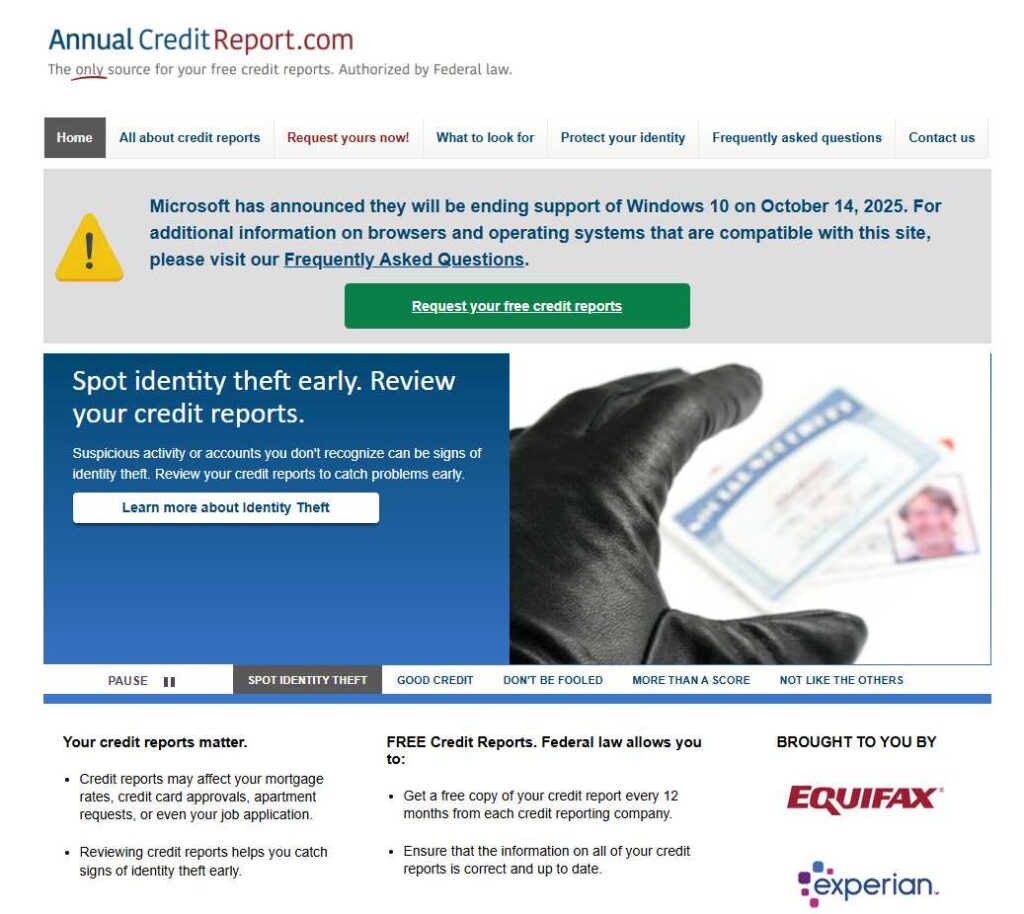
The official site authorized by federal law to provide free annual credit reports from Experian, Equifax, and TransUnion.
Completely free, secure, and straightforward to use online.
Recommended as the safest way to access all three reports at once.
2. Individual Credit Bureaus
Experian: Offers a free report via online sign-up and sometimes monthly trials.
Equifax: Allows limited free access to your credit report online or by phone.
TransUnion: Provides free access under certain circumstances, including identity theft alerts.
Note: Be cautious with third-party sites; some may charge hidden fees.
3. Phone or Mail Requests
You can request your free report by calling 1-877-322-8228.
Alternatively, fill out the request form available on AnnualCreditReport.com and mail it in.
Understanding Credit Reports in the US
Before requesting your report, it’s helpful to understand what a credit report includes and why it matters. A credit report is a detailed record of your credit history, compiled by credit bureaus. Unlike a credit score, which is a single number representing your creditworthiness, a credit report shows all the accounts, loans, and financial activities that contribute to that score.
Key information found in a credit report includes:
Personal identification details, such as name, address, and Social Security number.
Current and past credit accounts, including credit cards, mortgages, and loans.
Payment history, late payments, and delinquencies.
Credit inquiries, which are requests by lenders to view your report.
Public records, such as bankruptcies or liens.
Monitoring your credit report regularly can prevent mistakes and detect identity theft early, helping you maintain a strong financial profile.
Your Right to a Free Credit Report
Under the Fair Credit Reporting Act (FCRA), all US residents are entitled to one free credit report from each of the three major credit bureaus every 12 months. This law ensures consumers can check their financial records without cost.
There are situations where you can request additional free reports:
If you’ve been denied credit, insurance, or employment based on your credit report.
If you’re unemployed and plan to apply for a job that requires a credit check.
If you’re a victim of identity theft or fraud.
The official source for these free reports is AnnualCreditReport.com, a site authorized by federal law to provide reports from Experian, Equifax, and TransUnion. Avoid paying third-party websites for a report you can get for free.
How to Request Your Free Credit Report
Requesting your free credit report is straightforward. There are three main methods:
Online via AnnualCreditReport.com
Go to the website and provide your name, address, Social Security number, and date of birth.
Choose which credit bureau(s) you want a report from.
Review your report immediately and download or print a copy for your records.
By Phone
Call 1-877-322-8228 and follow the prompts to verify your identity.
You can request your report from one or multiple bureaus.
By Mail
Download and complete the Annual Credit Report Request Form from AnnualCreditReport.com.
Mail it with a copy of your identification, such as a driver’s license or utility bill.
Your report will be mailed to you within 15 business days.
Tips for verifying your identity: have your Social Security number, date of birth, and current and previous addresses ready. This ensures smooth access to your credit report.
Understanding and Reviewing Your Credit Report
Once you have your credit report, it’s important to know how to read and evaluate it. Each report includes several sections: personal information, account details, inquiries, and public records.
Common errors to watch for include:
Accounts that don’t belong to you.
Incorrect balances or payment histories.
Duplicate accounts or outdated information.
If you find any inaccuracies, you can dispute them directly with the credit bureau. Each bureau has a dedicated process for reporting errors, often including online dispute submission. Keeping a record of your disputes and their resolution is important for your credit health.
Tips for Maintaining a Healthy Credit Report
Regularly checking your credit report is just one part of good credit management. Here are some strategies to maintain and improve your credit:
Pay bills on time to avoid late payment entries.
Keep credit utilization low by not maxing out credit cards.
Avoid opening too many new accounts in a short period.
Monitor your report at least once a year and more frequently if you suspect fraud.
By following these practices, you can maintain a strong credit profile, making it easier to qualify for loans, credit cards, and better interest rates.
Conclusion
Obtaining and reviewing your free credit report is a simple yet powerful step toward financial security. You have the right to a free report every year through AnnualCreditReport.com, and in certain circumstances, you may be entitled to additional reports. By checking your report, disputing errors, and maintaining healthy credit habits, you take control of your financial future.
Don’t wait—request your free credit report today, review it carefully, and start building a stronger, healthier credit profile. Protecting your credit is protecting your financial life.